Category: Frugal Living

The best frugal living tips and ideas, 50 frugal living tips, extreme frugal living tips, meal planning ideas, grocery lists, budgeting tips, how to stock your pantry, daily frugal living tips, and much more.

  • How To Live On Very Little Money: Extreme Frugality

    How To Live On Very Little Money: Extreme Frugality

    Even if you have the slightest doubt, let me reassure you — it is possible to live on very little money and lead a better life.

    That’s what I discovered living with less money. Being frugal has transformed my life for the better.

    If you decide, you can lead a better life with very little money too.

    You could feel — deprived or fulfilled, living on little money. It’s up to you what you choose -happiness or misery.

    I totally agree, making ends meet on a low income is super challenging.

    The constantly increasing cost of living and low wage rates make life difficult.

    But the secret is  lowering your needs and wants and being content with whatever little you have.

    That’s how you live joyfully.

    Otherwise, all the money in the world can’t make you happy.

    Some people regard being frugal as being cheap.

    That’s because they don’t understand the difference between frugality and penny-pinching.

    They consider incurring debts to pay for extravagance completely normal.

    How to live with very little money: EXTREME FRUGALITY

    Apples on the other side of the wall are the sweetest.

    If living with less money makes someone seem small then I don’t know what drowning in debt appears to be. Can you truly indulge in luxury? Will it have the best flavor or make you feel clamped under the liability?

    I mean no disrespect for rich people. Just the idea of getting into debt for a lavish life? I’m not a big fan of it.

    Today, let’s discuss some tips on how to live happily on very little money. A few of them are big financial decisions. But they’re necessary to make it work on a low income.

    HOW TO LIVE ON VERY LITTLE MONEY: EXTREME FRUGALITY

    1| Downsize home:

    In today’s “bigger the better” rage, downsizing might sound distressing. Yet, it’s imperative to live with less money.

    The home loan installments or rent usually is a massive chunk of your household budget.

    A bigger home means larger pay upfront. Additionally, higher — instalments/rent, interest rates, property taxes, home insurance, repairs, and maintenance. And higher utility bills that you meet every single month.

    This is especially a disadvantage if your family is small (as you’re paying for unused extra space) and you are the only breadwinner.

    Because if large space is (mostly) vacant or unused, there’s no point in paying extra for useless square footage. Specifically, if you feel like buying extra stuff (undesirable expenses) to fill those void spaces.

    It makes sense to downsize your home to something you can comfortably live in.

    In my opinion, a good house should be — sufficient for your family to live in, be in a good state (requires lower maintenance on your part), and be functional, secure, and safe. Most importantly, it should be within your budget. That means low monthly instaments.


    Little smartness at the time of the home-buying process pays off.

    For example — you can make do with the old-fashioned kitchen/bedroom interior (which you can revamp eventually), but the same (kitchen/bedroom) should be functional and ready to use.

    When you downsize your home, you also increase cash flow by selling unwanted stuff and being mindful of your purchases in future. Since there’s less space and you know how hard you worked to get rid of your things.

    2| Move to the lower-cost living (low lifestyle) areas:

    Except that you live near forested areas which I find extreme and do not encourage. A few miles away from the town/city is a good solution.

    This is a great way to live on very little money.

    For example, my mom and I live across the town. But the living expenses like — rent, groceries, healthcare, utilities, and clothing where my mom lives are ultra-low. With little adjustments, I see people living a good life.

    I call it ‘adjustments’. And not ‘sacrifice’ or ‘compromise’.

    Because these terms can make you feel sufficient or poor. When you have more money, you’re able to buy convenience. But when you can’t afford or refuse to pay for comforts/amenities, you think you’re making a sacrifice/compromise. Not true.

    Settling for something ordinary and decent is required to get by low wage. No shame in that.

    In fact, by moving to such affordable places, you can live in peace. And rather focus on increasing your earnings and savings unlike upscale cities, where every single item is so expensive.

    3| Learn to live below your means:

    Stop keeping up with the Jones.

    Human wants are boundless.

    It’s only going to be disheartening and depressing at the other end.

    Getting a manicure every week isn’t good for your budget. To live on very little money, you need to work things around. Willingly put time and effort and do it yourself as much as possible.

    For instance, if you love doing nails, buy yourself a couple of nail colors and a topcoat. Paint your nails at home. There are so many good quality affordable options available nowadays. You can put the money (saved on manicures) in your credit card debt.

    Another thing is food.

    The core food ingredients — rice, beans, veggies, potatoes, flour, oil/butter, salt, and pepper are all you need to create wholesome, hearty meals at home that taste a whole lot better and are great for your health too.

    Talking about homecooked meals, they need not be as elaborate as they used to be in grandma’s time. A simple vegetable rice with some side dish should be good enough.

    Why rice? Because it is eaten worldwide and is a complete meal when served with beans or vegetables.

    When it comes to spending less — spending on clothes deserves attention. Again, I don’t advocate buying second-hand. But consider buying fewer good-quality items. Learn to care for them correctly so they last longer.

    4| Create and stick to a budget:

    A proper plan for your expenses is essential to live on very little money. You must know where your money is going. Whether you’re spending under control, spending sensibly.

    I have written a detailed article on how to create a budget and stick to it.

    5| Save Save Save:

    Curious whether you can save money on a low income?

    Well, every penny counts when it comes to cutting corners.

    People who build wealth consider saving cents.

    With this outlook, you definitely can save money on a teeny-tiny budget too.

    We have many articles here on simpleinspiredblog.com that talk about numerous ways to save money. You can take a look at them below:

    52 Best Frugal Living Tips To Save A Ton Of Money

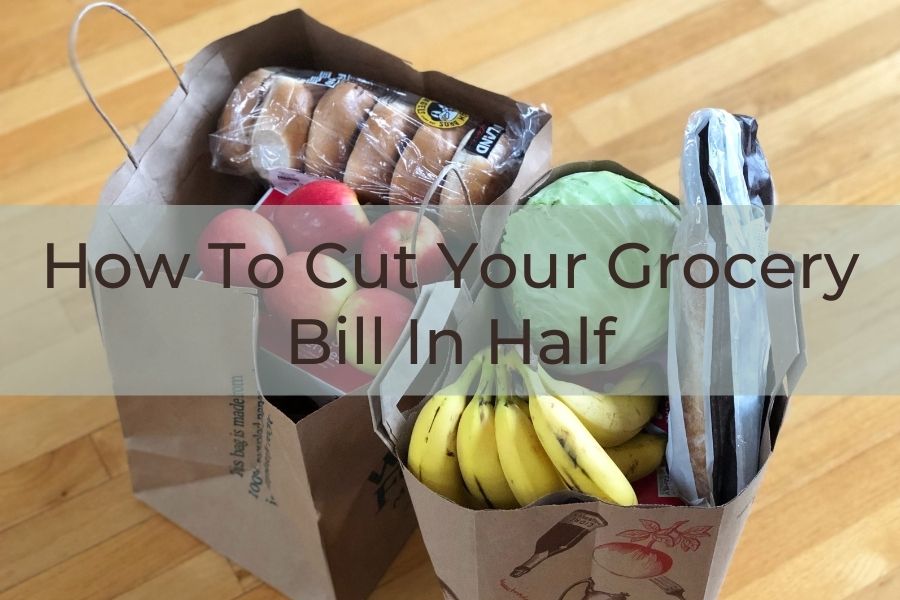
    18 Smart Ways To Cut Your Grocery Bill In Half

    10 Painless Ways To Save $100 This Year

    9 Habits Of Highly Frugal People

    6| Build an emergency fund:

    The same applies to building an emergency fund.

    Building an emergency fund on a tight budget is achievable.

    How long should it take to build up an emergency fund?

    Well, that entirely depends on the amount you’ve determined and your monthly savings plan.

    First, establish a goal. Determine the emergency fund value (the total amount of your emergency fund) with a deadline. Then, set a monthly target. I suggest keeping the percentage small so it’s easier to maintain.

    Keep the emergency fund remote to avoid the urge to use it.

    Now, whenever you receive your paycheck/salary/income – pay yourself first. Put the money in your emergency fund and other savings account. Use your salary only after that.

    7| Lower your distractions:

    To lower your wants and desires, you should avoid situations that would trigger the same.

    For instance, if you endlessly follow social media accounts displaying lavish homes, high-end makeup, and clothing brands, or be friends with spendthrifts. You can hardly stop yourself from getting sidetracked and (insanely) buying similar things for yourself.

    That’s human nature.

    However, you won’t be affected for a prolonged period if you’re someone like me, centered on purpose in life. But yes, sidetracking definitely happens.

    You mostly like or want things that other people possess. No matter how many better versions of the same item you already own. It’s always the quality, the color, and the pattern that someone else owns which is better than ours. Right?

    You can focus on your life and be content with less money only if you watch, read, or be amongst those on the same mission. There’s no other way around it.

    Ditch comparison game. Be yourself. Be resourceful. Design and live your best life irrespective of the money you own.

    8| Have at least one no-spend week in a month:

    On a no-spend week, you spend money on nothing extra or unnecessary. You only spend money on bare essentials like groceries, medicines, fuel, etc

    Further, you still manage to not spend money (except for medicines) during the no-spend week by planning and buying beforehand.

    Check your monthly calendar for birthdays, events, or vacations. If there are no invitations/plans, that window can be great for a no-spend challenge.

    Every month, this interval could be your no-spend day. Employ this time or else the ‘perfect time’ would never exist.

    You’ll be able to save a lot of money on your no-spend challenge. (More on the no-spend challenge shortly).

    9| Transportation:

    The three easiest ways you can save a ton of money on transportation —

    • owning only one car
    • getting yourself a bicycle or walking your way in the neighborhood
    • using public transportation.

    Only these three steps can help you save a good amount of money.

    By owning a single car, you can prioritize paying it off in less time. And ditch the second/third car to be free of payments, insurance, fuel, and servicing costs.

    You need a car for work, groceries, or special events. Still, you can consider meeting up and riding with friends or colleagues. Apart from these events, you can ride a bike or walk in the surrounding areas, which is free of cost.

    If you live in a city, take advantage of mass transit. I have taken public transport for years to work previously. I can assure you with good music on your phone it’s pretty good experience.

    10| Budget-friendly entertainment and festivities:

    With thoughtful planning –birthdays, anniversaries, and festivities can be made exceptional at home.

    There are a host of ‘budget-friendly birthday parties and anniversary celebrations’ ideas on the internet. You can use your imagination.

    If I recall the celebrations in my childhood, I don’t remember my grandma doing anything fancy.

    We restored and used the same decor until it was outdated.

    My mommy, aunt, and grandma cooked food at home as they hardly had the alternative to outsource.

    What made it special was the traditional food they madde

    The delightful games we played.

    The love and affection that came from family and friends.

    The thoughts and efforts that went into making ordinary things remarkable.

    No one cared about the fanciness. Everyone just celebrated wholeheartedly.

    Final words:

    These steps may sound extreme to some, but they’re practical to get by with very little money.

    So now you know why I said being frugal made my life better and happier.

    Life is so comfortable and relaxing, living off the low income. No pressure to please anyone. No thought of cakes and ale. No labor to pay for big houses and extra cars. Just plain emphasis on purpose in life.

    Be sure to share your thoughts in the comments section below. Thank you so much for reading.

    Never spend your money before you have earned it — Thomas Jefferson

  • 10 Painless Ways To Save $1000 This Year

    10 Painless Ways To Save $1000 This Year

    If you’re serious about saving your hard-earned money, these 10 painless ways to save $1000 are a great place to start.

    These tips can be helpful for beginners as well as anyone wanting to set a little more money aside in 2024.

    Now, for a lot of you, saving $1000 in a year might seem a low number but I believe in baby steps. These tips will be helpful for someone living on one income, looking to save money while paying off debt, or any beginner who wants to start saving money this year. Starting small and being consistent is the key.

    This is no get-rich-quick scheme. Hear me out, the outcomes are going to be gradual. Except for a couple of them which we’re going to see in a while.

    So, let’s get started.

    10 PAINLESS WAYS TO SAVE $1000 THIS YEAR

    1| No spend challenge:

    This year do a no-spend challenge. Briefly, no spending challenge is when you freeze your spending for a predetermined time frame. It could be anywhere between a weekend to a week to a month. You can set out rules for yourself. (More on the no-spend challenge soon).

    The clothes, makeup, shoes, perfumes, and decor items are good starting points. Be determined to use up everything you’ve bought to turn your expenditure to good use.

    2| Watch your food bill/expense:

    Food budget out of control?

    There are several strategies to reduce your food costs; cut your grocery bill in half and still eat healthily.

    Doing simple things like — shopping in your pantry; cooking your dinner at home for most nights; eating a simple breakfast; keeping some cashews, almonds, dry snacks, and water bottles with you anywhere and everywhere you go; being smart with your bulk purchases; brown-bagging lunch can greatly help to lower your food bill and maximize your grocery savings.

    Related: 18 Smart Ways To Cut Your Grocery Bill Into Half

    3| Be watchful of your utility bills:

    This is another area after food expenses where there’s room for saving a lot of money.

    Just a little attentiveness is necessary.

    Make sure to use only as much electricity, water, and gas as required.

    Control heating and cooling temperature, practice turning off the switches immediately after use or when leaving the room, unplug appliances when not in use, and regulate freezer and refrigerator temperature are some small achievable ways to lower your utility bills every month.

    4| Self-made gifts or affordable useful items:

    If you’re not careful about the presents you buy, it’s going to cost some serious money. For me, it’s always hand-crafted gifts over luxury. I believe the true value is in the sentiments behind the gift rather than its price tag.

    Gifts need not be products only you can give your service (things you’re good at).

    Skilled in baking or cooking? Offer a delicacy.

    Yoga expert? Teach your friends some simple and effective yoga poses that they can practice every day at home. Couldn’t ask for more!

    Experienced in gardening? Help a friend turn her backyard into a vegetable garden.

    Just get off the beaten track. Think beyond.

    5| Ditch cable/TV and find a productive hobby:

    What are some productive hobbies that can make your life easier and better? Can your hobbies make you money if there’s any situation like the pandemic job loss that many went through of late?

    What’s that one hobby that can actually make you money? Just try to master that hobby. Turn your hobby into a second job instead of watching idiot stuff on TV.

    6| Always look for a good deal:

    First, always ask yourself — do I really need this? You actually need an item if it was on your list for a while. Say for a month or so.

    I never browse shopping sites just for fun. Some people might make fun of me but I download the apps on my phone only when I need something. For example, recently I shopped for some personal care products after two long years from Nykaa, purple, and the Amazon app. You won’t believe but before making purchases I didn’t have these apps on my phone. Whenever I complete my shopping I delete the apps from my phone. I do this on purpose. The first reason is to avoid temptations. Second, I hate the innumerable notifications. I like to keep only meaningful stuff on my phone. Yes indeed.

    Also, I downloaded these three apps so that I could compare the price of each product on three apps to get the best deal. It took me two days to order the products since I compared each and every product that I wanted to buy on all three apps. But then the comparison shopping helped me save a lot of money.

    7| Lower alcohol/smoking:

    Ever assessed the amount of money you spend on these bad habits — drinking, smoking, gambling? The figure would terrify you, in particular, if you’re looking to save money.

    Now, this is not a how-to quit smoking/drinking guide and hence, we’re not going that way. The only thing — if you could lower or, by good fortune, quit these bad habits you’ll be doing yourself and your wallet a huge favor; that your body can’t thank enough.

    8| Find a stable income stream:

    Having a steady income flow helps obtain soundness and security. Even if you’re a full-time stay-at-home mama it’s increasingly better to have a steady source of income.

    This age of the internet has extended heaps of possibilities. Today, you can make money with anything you’re passionate about. If you’re not able to allocate time, work on weekends, or work during the hours your child is fast asleep. With a little time and devotion, you can yield a good return.

    9| Increase your earnings:

    There are a host of ways you can make extra money. Start a small-scale business.

    Sell unwanted stuff. Capitalize on your hobbies. Create passive income like starting a blog or a YouTube channel. Extra earnings can definitely help you pay off your debt faster, save up for the future, or live more peacefully.

    10| Collect your changes:

    Piggy banks are not just for kids. You can benefit from keeping a jar to collect your spare change too.

    Instead of letting your loose change scatter, it is always best to put it in a jar and let it grow into a significant amount over time. Clever spendthrifts make large purchases, investments, travel, or save this money for retirement. Just being smart can do a whole lot with your spare change.

    Those were 10 painless ways to save $1000 this year. Be sure to share your tips and tricks in the comments section below. Thank you so much for reading. “Prosperity is the fruit of labor. It begins with saving money”.

  • 4 Quick Tips For Making Your First Budget

    4 Quick Tips For Making Your First Budget

    Budget — a lifeless, dull, scary word, right? Well, seemingly yes for many of us, but remarkably empowering for your finances. For financial freedom. And for you to lead a stress-free life.

    The budget is nothing but an estimate of income and expenses.

    Budgeting won’t stop you from living a good life or make you a tightwad. It, in fact, will give your expenses a structure.

    It’s a quick written rundown of your incomes and gains, and expenses and losses. So that everything is out of the mind and into reality.

    With a structured plan in hand, you can decide — where your money should go; watch the areas you’re overspending; and examine where you can cut down.

    Spending is an inevitable part. We will spend whether or not we have money. Yet it is also a sad truth that earning money isn’t as easy. You’ve got to put in time and effort irrespective of your skills and experience.

    Thus, considering budgeting as part of your occupation/business becomes evident.

    Before getting into the steps to create a budget let’s first take a look at how you can stick to the budget. Because the most crucial part is being consistent with your budget, month-on-month.

    State why:

    To attain any goal you must specify yours why. It’s always encouraging to have it written out for a visual note.

    For most grounds you need a budget to– get out of the rut of living paycheck to paycheck; when running up huge debts; save up for your dream car or home; save up for retirement or a grand trip.

    Specifying the clear reason why you need a budget will keep you determined toward your (goal) budget.

    Start small:

    Having a big financial goal or being heavily indebted doesn’t mean you should cut down on a large scale or deprive yourself of fun in life.

    That’s a non-sustainable way.

    That’s a key reason many people give up on budgeting or maybe are unwilling to start in the first place.

    First, you never bother about your money. Then, out of the blue, you want to make big, unbearable changes that cannot be upheld.

    Instead, try making small changes that won’t affect your day-to-day life.

    For instance, instead of expelling — eating out, movie dates, partying, and shopping, altogether from your first month of budget. Try decreasing the incidences. Like, if you eat out all 4 weekends — try to skip 2 trips, or order all 4-weekend meals at the price of 2.

    The next month try renting out a movie, setting up a movie date at home, and so on.

    I can guarantee — as you start living frugally and see more money in your bank account, you’ll be drawn towards saving rather than splurging.

    HOW TO CREATE A MONTHLY HOUSEHOLD BUDGET [4-STEP ACTIONABLE PLAN]

    Gather your pay slips, bank statements, bills, receipts, credit card records, notebook, and pen, and let’s start creating your first budget. Never mind if you cannot complete creating your budget in the first sitting. You can pause and get back to it.

    #StepOne — Calculate your income:

    The first step in creating a perfect budget is computing your income and gains.

    Jot down your current

    • take-home salary
    • side hustles
    • Interest
    • Commissions/brokerage/dividends
    • Real estate
    • Bonuses
    • Traveling/medical/other allowances

    The simpler way to do this is to assess your bank statement. For your average monthly income — sum up three months’ income.

    Say, for example, in April, you received a take-home salary of $2400, in March $2100, and $2300 in February. That totals up to $6800 for 3 months. Now, divide this amount by 3. The value you get (2260 round sum) is your average monthly salary. Now you can consider this figure or the least amongst the three, that is $2100 as your monthly income.

    It is always better to consider the least amount of income.

    You can calculate your different revenue streams in this manner.

    #StepTwo — Estimate expenses:

    There are two types of expenses — fixed and flexible expenses.

    Fixed expenses categorize things such as rent or mortgage, insurance, loan, investment, emergency fund, tax, etc.

    Since fixed expense is the amount you’re committed to, it will be smart to plan and lay money aside well in advance for when the payments are due.

    Reserving money for your fixed expenses out of your total income will give you a clear picture of what is left as your discretionary expense (total monthly income – fixed expenses = flexible expense amount).

    The flexible expenses include your living expenses like groceries, electricity, water, gas, internet, repairs, clothing, subscriptions, entertainment, and gifts.

    Calculating your living expenses will be easier if you keep track of bills and receipts at least for a few months.

    Spending more than earnings?

    No worries, take your time and manage your expenses carefully. Track every dime and see where you can cut corners. This is the area you can do a whole lot more.

    Earnings more than expenses?

    Kudos, you can head for step 3.

    #StepThree — Plan your savings:

    Considering the remaining amount, plan your savings before the things you WANT to buy start coming to your mind. It is important to be disciplined and intentional with your money at this point if you want to get the best out of your budget. Many people neglect this step. But you cannot afford to miss it. The main goal of budgeting is to avoid spending all of your money and rather build savings.

    Talk to your partner or family and determine the percentage you want to put in your Emergency Fund and for other savings and goals. Write out your long-term and short-term goals. Prioritize them. Be realistic. Prioritizing your short-term goals can make it easier to reduce spending or credit card debts.

    I know the ugly part about budgeting is restricting yourself from buying your favorite things and having fun. No worries I’ll have you covered in another article soon.

    #StepFour — Take action:

    Now that your basic budget plan is ready you need to start implementing it.

    Track your expenses daily. Take a few minutes at the end of every month to review your budget. Check if the spending is within the limits.

    Don’t forget to keep records of bills and receipts every month. And tweak your budget in case you get a raise or when additional expenses occur.

    Final words:

    These are general and easiest guidelines for creating a household budget. To create a personalized budget (which I highly, recommend) feel free to make alterations to the aforementioned steps. And create a budget plan that is simpler for you to stick to.

    Share your budgeting tips and tricks in the comments section below. Thank you so much for reading. Happy Budgeting!

  • 9 Habits Of Highly Frugal People

    9 Habits Of Highly Frugal People

    Seeking ways to live more frugally? Then you should definitely check out these habits of highly frugal people.

    Pursuing a frugal lifestyle is a prudent decision. Frugal living is a trusted path to living a happier and better life.

    Coming from a frugal family it is easier for me to put this list together as this has been our lifestyle the entire time. We don’t own fancy things yet our life is fulfilling. We have (and don’t have to make ) time for our family. Nor do we need gourmet restaurants or exclusive vacations to have fun together. Just simple homemade meals are a treat. We never exchange expensive gifts rather we devote time. The idea is to be present to savor the moment.

    9 Habits OF Highly Frugal People

    You’ve got to hear this before learning frugal habits because you must know frugal living is not that hard. Especially, against all that it takes to earn money. Neither does it feel dull as it may seem if you’re ready to think a little artistic.

    9 HABITS OF HIGHLY FRUGAL PEOPLE

    1. They live within their means:

    While being swayed by the commercials constantly reminding you how the newly launched range of products and services will make your life fancy and convenient, living below your means may look like nonsense.

    But what happens when the bills appear to exceed your earnings?

    The difference between frugal and normal people is that the thrifty own up to the fact that they don’t have the means for extravagance.

    Living below your means simply refers to spending less than what you earn, not living paycheck to paycheck, and not incurring debts to pay your living costs.

    Frugal individuals lean more towards saving money and choose economic self-reliance over luxuries and comfort.  They never mind living in a small house or buying marked-down cars. They’re critical about their choice of hotels when traveling — they will go with something cost-effective and overlook lavishness.

    2. They don’t shop for fun:

    Shopping for fun? Hell no, for a frugal man. Recently released gadgets, trendy outfits, and cosmetics don’t entice frugal people. They neither long to impress others nor do they rely on short-term happiness.

    They’re partial to saving money. Frugal folks stay out of stores and have productive hobbies.

    If you have been shopping excessively, lately, some smaller steps such as recognizing your shopping triggers, delaying purchases, unsubscribing from shopping sites, keeping monthly track of your spending, or no spend challenges can help control your shopping habit.

    3. They strive to avoid food wastage:

    Frugal people understand food is the most fluid expense that can be slashed considerably.

    First and foremost, they make efforts to cook meals and eat at home. Next, they strive to minimize food waste. They will jazz up leftovers and use everything to the last bit.

    My mom never plans meals ahead. She goes to the mart each day and randomly picks seasonal produce, low-priced fish, and meat from the butcher. And makes meals around it. She least prefers to eat leftovers and for that, she deliberately cooks a quantity of food each time.

    Even when eating out a frugal person would pick something filling and dirt cheap.

    4. They build emergency funds:

    In simple words, an emergency fund aka a rainy-day fund is an amount of money reserved to be used in times of financial crisis.

    Frugal people prioritize building emergency funds to take care of themselves and their families in case of a pay cut, sudden job loss, health concerns, inevitable home repairs, unexpected bills, and others.

    It’s a crucial decision to ensure that your basic needs are met during financial turmoil.

    5. They smartly choose between repair or replacement:

    Frugal people make a good call in making decisions about whether to repair or replace.

    They compare the present value of the product, considering —- the value of purchase, service life, and efficiency — with the repair costs, to decide whether to repair or replace it.

    Of course, it is advisable to repair when the cost of repairs is lower than the value of the product and vice versa.

    6. They live low-tech:

    The smart tech developed to make our lives easier, reportedly, seems to complicate the same through commercialism.

    Frugal individuals don’t fall prey to such things though. They’re calm and collected.

    While technophiles cannot resist the impulse to upgrade the latest gizmos, frugal folks do get their job done with the 5-year older version of the phone/computer if it is in good working condition.

    7. They look for price negotiations:

    They do marketing analysis before making any purchase. That means they do comparison shopping; check out product overviews (brand, model, specifications), and check costs online. In addition to this, they don’t mind waiting for days or months to buy an item. They will just go over searching for a good deal across the city.

    As for buying something, they are patient no matter how badly they want it they’ll make sure that the purchase doesn’t hinder their budget.

    8. They do not go with the brand names:

    Famous brands? Well, you can’t get a critical eye frugal to pay for a name. This means they would never buy a $10 t-shirt for the price of $50 only to have a big brand logo printed on it.

    They’ll prize each penny and every single purchase. They’ll do their math and pick something economical plus sustainable.

    9. They’re smart with their bulk purchases:

    A frugal man knows exactly what can be hoarded and what cannot, depending on the shelf life. Still, they know a lot of items can be saved for longer with appropriate storage techniques.

    Frugal people stockpile to anticipate a rainy day. They understand the last-minute supermarket run, and most of the time can put a strain on their wallet.

    Final words:

    By building these habits of highly frugal people, you can too lower your stress, attain financial freedom, and become self-sufficient and disaster-proof.

    Let me know your thoughts in the comment section below. Thank you so much for reading. Enjoy the art of frugal living!

  • 9 Lifestyle Changes That Let You Feel Rich While Living Frugally

    9 Lifestyle Changes That Let You Feel Rich While Living Frugally

    Frugal living never means living cheaply. A majority of people fear compromising their quality of life (level of comfort) when thinking of living frugally. In practical terms, you can feel rich while living frugally. While millionaires don’t get rich by splurging on designer labels and lavish cars, frugality is a critical factor that helps them build wealth. The core of frugal living is to be intentional about financial priorities —
    • cutting back on unnecessary expenses
    • saving money to achieve your financial goal — pay off debt, saving for early retirement, travel, etc
    Being rich is closely connected with frugality — you’re wealthy because you have been frugal and by being frugal you’re en route to getting rich.

    How To live Rich While Living Frugally

    It not really much require hard work; just being smart with your money and making small, gradual changes. If you’re already a frugal living person you know the experience with frugality is enriching, freeing, and soothing in itself. Still, if you’re just starting off the frugal path, here are ways that will make you feel rich while living frugally Before we begin, let’s take a look at how to become rich, or successful in any field of life. To specialize in something, we take courses or study the time-tested skills and techniques that experts have followed in the particular field. The exact steps that lead them to success. Here we will study and repeat the traits of rich people and make changes as to what we can afford in our frugal lifestyle.

    How living frugally can let you feel rich?

    According to Merriam-webster.com Rich is defined — having abundant possessions and especially material wealth. The feeling of richness is associated with peace, freedom, confidence, power, and most importantly abundance. A state of calmness and freedom can be achieved when you’re in control of money. Being economical and vigilant about money, and the consumption of consumables is frugality. A person committed to spending less, saving, and sticking to the budget simply can make a fortune. However, an individual, earning a prime-grade income is enslaved to the paycheck and cannot be rich — if he spends above his means, fails to plan investments and shortfalls retirement funds. The competitive rush to become wealthy is stressful and dissatisfying. But with frugal living, based on a lack of financial pressure, you’re relaxed and fulfilled in life. Like building any habit, going frugal is going to seem a little difficult in the beginning yet rewarding in the end. Similarly, building these habits and consistently following them will definitely take you from feeling rich to actually being rich.

    9 LIFESTYLE CHANGES THAT CAN MAKE YOU FEEL RICH WHILE LIVING FRUGALLY

    Organize your space:

    Think of poverty and you have these dirty, cluttered, cram-full, overflowing spaces in your mind. And neat and orderly thoughts of a prosperous home. Did you ever notice the most fabulous mansions of your favorite celebs or tycoons? Besides being stylish and luxurious, they’re super clean, minimal, and well-organized. Many surveys have shown the direct effect of mess and clutter on our mental health. People with unclean, cluttered houses report depression and fatigue compared to those with clean and neatened places. Briefly, clutter and chaos are interlinked with a negative sense of emotions — stress, irritation, uncertainty, and gloominess. Contrarily, people with clean and orderly homes are restful, positive, and perky. So the first — easiest, economical, and most effective step in feeling rich while living frugally is to clean and organize your living space. There’s a bunch of stuff that can give your home an elegant, new look.
    • An accent wall
    • a fresh coat of paint or wallpaper
    • built-in bookshelves
    • high-end fabrics for curtains/drapes, couches, or chairs
    • updated window treatments
    • doorway renewal
    • statement lighting decor items — chandeliers, lamps, fixtures
    • furniture and cabinets re-do — repainting and refreshing knobs and handle
    • upgrading hardware
    • solid colored or antique accessories
    • statement art pieces.
    • historical pieces
    • Plants
    Little changes go a long way in making your home look expensive.

    Routines Routines Routines:

    Inaction, idleness, or lack of structure results in stress and anxiety. Being in charge of your behaviors gives you a sense of control over life. Are your casual activities clear and certain? Do you know when will you have lunch and what time you’ll be going to bed? Routines help you get more done. It is the significant reason why rich and successful folks are happy, healthy, and productive. Rich and successful people know the key to making constructive implementation of your time is to add predictability to your day. Routines eliminate uncertainties in your day and make you feel more relaxed and in control, truly important to make you feel rich. With frugal living, setting up :
    • a meal-planning routine reduces grocery costs
    • a good exercise and self-care routine saves medical bills
    • a household routine economizes domestic bills.
    Thus, allowing you more time, money, and saneness.

    Master your time (the precious resource):

    Life, if well lived, is long enough. — Seneca
    We all hope that we have a few extra hours in our day yet how do we use the time we’ve been endowed with? Instead of taking charge and starting to live the life of our dreams, we mess around wasting it on entertainment and dawdling. Rich people, in no case, procrastinate by marathon-watching a TV show or rather overextend themselves attempting to manage their entirety. They set clear goals. Create schedules. And perfect-tune professional and family life. Establishing goals and a sound time management system is a foolproof way to master your time and consequently your money.

    Stockpile:

    The mind is everything. What you think you become. — Buddha
    Your mindset can thoroughly influence your living. Stephen Covey came up with the phrase abundance mindset in his bestselling book The 7 Habits of Highly Effective People. Here, we’ll use the term to draw inspiration to develop the feeling of abundance through stocking up on the essentials. Stockpiling serves in numerous ways. In addition to saving money (since most people buy items on sale), it’s like creating a mini-mart to comfortably pull out things from the ample stack. A pretty convenient way to sense plenitude.

    Create multiple income sources:

    Aside from getting finances in place, entrepreneurs are well known for having multiple streams of income. Additional income sources impart a safe future. In addition to saving more money, making extra income through diverse sources is just as important to become financially stable.
    • Real estate or good investment scheme
    • Side hustles like buying and reselling something
    • Starting a YouTube channel
    • Starting a blog
    • Developing an app
    • Setting up online courses
    • Renting out extra space
    • Selling your own products online
    To quote a few. It is always a clever move to use your talents/skills to possess varied revenue streams than relying on a single venture. Related: 8 Ways To Enjoy Being A Stay-At-Home Mom/Wife

    Life philosophy:

    The thriving community is famed for its values and life philosophies. The way we think leads us to where we arrive. In this journey of life, rich and poor, both witness victories and downfalls. How to respond to it depends on each person’s life philosophy. Control one’s thinking is a difficult job in all. A life philosophy is nothing but discipline. Build a good life philosophy to impact your life in a positive way in all that you do.

    Better lifestyle:

    We all know that millionaires value their health and educate themselves concerning their physical and emotional well-being. Still, it is also true that they can afford to buy good food, have better access to medical aid, and are less stressed about their living. When living frugally, you can improve dietary intake, have better insurance coverage, and form good habits to enhance the quality of your life.

    Befriend like-minded:

    To become rich or frugal, for that matter, you want someone who can be your shining example, an influential person. Author Rachel Wolchin said, “Surround yourself with people that reflect who you want to be and how you want to feel, energies are contagious.” The biggest thing you can do to radically improve your finances is to surround yourself with the well-off. Wealthy and successful have the power to broaden your philosophy. As Buddha said, “The mind is everything. What you think you become.” Engaging with a frugal friend may help you find out-of-the-box money-saving ideas, teach you how to make profits from unique income streams, maybe about a good investment plan, and so on. On the other hand, acquaintance with a big spender would just encourage you not to give a crap about money.

    Enjoy small luxuries:

    Having great fun and entertainment is the key idea behind enjoying small luxuries. The appealing part about small delights is they’re (mostly) low-cost and affordable. But the important part is — devoting time to stop and smell the roses. If you want to feel rich while living frugally, you have to bring in the fun elements. For women, small luxuries can be as simple as receiving a bunch of fresh flowers, breakfast or coffee in the bed, a movie date, a surprise takeaway, a fresh haircut, catching up with friends over lunch, or a handwritten note/letter, and similar. These small things are enough to make all the difference. Be sure to relish little indulgences to boost yourself in a hectic life.

    Final words:

    These few attainable lifestyle changes will make you feel rich while living frugally. Let me know your thoughts in the comment section below. Thank you so much for reading! Wishing you all the best in the world!

    To know about new articles follow simpleinspiredblog on Pinterest.

  • 52 Best Frugal Living Tips With A BIG IMPACT

    52 Best Frugal Living Tips With A BIG IMPACT

    Tired of living paycheck to paycheck and sinking into debt? These frugal living tips and ideas will help you save money, lower your debt, turn your monetary situation around, and allow you to lead a happy and fulfilling life.

    What is frugal living?

    Individuals conclude as people who live frugally as someone buying low-grade goods and living poor.

    Frugal people are often classed as cheapskates who deprive themselves of the comfort and pleasure of the modern world.

    But instead, frugal folks are wise with their money.

    They know how to be content while living below their means. They know what it feels like to be debt-free and experience financial freedom.

    According to Merriam Webster Frugal means Thrifty or Economical “careful in the use of one’s money or resources.”

    While Cheap refers to as Stingy “not generous or liberal: sparing or scant in using, giving, or spending.”

    If you’re wondering how to live a very frugal life? Then here we go frugal living tips with a big impact.

    52 BEST FRUGAL LIVING TIPS

    1. Meal plan:

    Plan your meals before grocery shopping. I know that sounds nightmarish. But you would be amazed by the results.

    Meal planning also simplifies your grocery shopping and cooking process. It helps you to eat yummy meals at home.

    2. Create a budget and stick to it:

    If you haven’t already, start budgeting. Don’t have a budget plan? No worries you can follow these 4 Quick Tips For Making Your First Budget.

    3. Bring your coffee and lunch to work:

    Drink your coffee at home. See how much money you save with this simple step.

    52 Best Frugal Living Tips

    4. Buy seasonal produce:

    Buying what is in season is another great way to save money.

    For example, in India, we get red carrots and green peas in winter. They are reasonably priced when they’re in season. But when you buy the same green peas in summer or monsoon, they’re priced at 3x.

    Seems small?

    Well, every dime counts.

    52 Best Frugal Living Tips

    5. Buy generic goods:

    Food staples, cleaning supplies, etc. Many times there are pretty good options. I wish I had known earlier.

    6. Take inventory:

    Scan your pantry and refrigerator before creating a grocery list and heading to the store. Make sure to stick to the list.

    7. Make pressure cooker your best friend:

    A pressure cooker turns out to be a great energy-efficient pick. It does a wonderful job of cooking food faster and better. Therefore, saving on cooking gas. Using pots and pans with a lid saves energy too and is considered safe and healthy.

    52 Best Frugal Living Tips

    8. Avoid going to the grocery store hungry:

    Going grocery shopping when hungry or stressed is a bad idea for your budget. It is a surefire way to shop impulsively.

    9. Refrain from weekend shopping:

    Avoid shopping on weekends or during peak hours on weekdays. I love Monday afternoons for being less overcrowded and more relaxed. People usually go grocery shopping on weekends. My observation is fruits and vegetables are no longer fresh until weekends. Such stale produce won’t last long.

    But when you shop on Mondays or Tuesdays you get fresh items back in stock again.

    I prefer to shop for my clothes and other things on Mondays or Tuesdays. The point is to shop attentively.

    10. Countercheck your bills and receipts:

    After doing your store checkout, take a moment to quickly go through your sales receipts. Check the exact number of items printed. Look for any misprints.

    When paying cash, count your change, and only then leave the store.

    Make sure to value every penny.

    11. Drink water:

    Instead of soda/beverages as a healthy replacement.

    12. Buy more raw, unprocessed food:

    Opt for raw, real food substitutes over convenience food. They’re healthy and inexpensive.

    13. Invite friends rather than dining out:

    You can make it easier by arranging the party at your place. And tell each one of your friends to bring their specialty food. That way everyone can enjoy a variety of food without a single person having to bear all the expenses.

    You can also rotate to friends’ houses to avoid cleaning, decorating, and other miscellaneous expenses.

    14. Look for affordable entertainment:

    Go on road trips instead of hanging out or partying at a restaurant.

    Road trips are a super affordable alternative in terms of travel expenses. You can save lots of money by bringing your own food.

    15. Book in advance:

    Reserving air tickets or hotel rooms in advance would cost excessively low — when traveling internationally or within states.

    16. Schedule trips:

    Plan trips during off-season months to get value for money. The costs will be lower and you can enjoy great attention and service because of the lesser crowd.

    17. Watch for travel deals:

    Look for deals online and in newspapers/magazines. Pack a bunch of dry snacks to avoid eating greatly at expensive restaurants.

    18. Make a wishlist of your wants:

    So that the items are just off your head.

    19. Resist the urge to buy:

    Before making any impulse purchase, wait for a day, two, or a week (for better outcomes). Take time to decide. If you still need the item, buy it.

    20. Haggle:

    Never hesitate to ask about prices, compare prices in different places, and NEGOTIATE. Yes, my dear friends, it pays off.

    In fact, bargaining is a great frugal living tip from India and I highly recommend it to seniors.

    21. Save water and electricity:

    Turn off lights, appliances, and water faucets immediately after use.

    22. Smart purchase:

    Check quality and consider buying used, multi-functional, and strong furniture and decor items. Learn to DIY and remodel to give things a fresh look.

    23. A little older stuff:

    Even a couple years older electronics cost considerably less than the newly arrived ones in the market.

    24. Periodic maintenance:

    Regularly oiling, servicing, and cleaning cars.

    The same goes for home appliances. Regular cleaning and careful use can extend their life.

    25. Keep records:

    Retain bills, sales receipts, and guarantee cards, so you can conveniently find them in case of replacements.

    26. Market survey:

    Do your market research, and learn about the product thoroughly before buying.

    27. Home improvement:

    Paint your own house and learn how to do basic repairs by yourself.

    28. Capsule wardrobe:

    Ascertain a color scheme — buy versatile pieces of clothing and never hesitate to wear them on various occasions. I personally do this and anyone barely notices.

    29. Care for garments:

    Learn basic mending and stain-removing techniques, so you don’t discard clothes because of these minor issues.

    30. Shop at clearance or factory outlets:

    You’ll be surprised to find great deals at nearly about 30 to 40 percent discounts.

    31. Avoid consumer traps:

    Be smart and don’t fall into shopping traps while shopping at sales.

    32. DIY as much as you can:

    Paint your nails at home. DIY hair and beauty treatments at home. It is safe for your skin and hair. Plus, it is hygienic and economical.

    33. Affordable outfit challenge:

    If you like to keep up with the latest fashion trends, challenge yourself to recreate the looks of your favorite fashion models with budget alternatives.

    34. Do your own housework:

    Save a bunch of money by doing housework and running errands yourself.

    35. Automate as is practicable:

    Automate or pay bills on time to avoid delay penalties.

    Paying bills early helps your credit score too.

    36. Live below your means:

    Buy a home and car that you can afford and are easier to pay off.

    37. Do your math:

    Pick a reasonable internet plan.

    38. Stay healthy:

    Take care of your health — eat a healthy and balanced diet; get enough rest; exercise and keep your weight in check, care for your teeth — to stay away from unwanted medical expenses.

    39. Buy generic medicine:

    Look for generic medicines.

    40. Pay cash:

    When your credit/debit cards have no cashback offers you can avail of, pay in cash to avoid unnecessary service charges for using the same.

    41. Save on fuel:

    Walk or bike whenever you can to save on fuel expenses. Plus, it is excellent for your health and the environment. Another good way to live very frugally and save money.

    42. Use cold water:

    Soak clothes in warm water when necessary. But other times wash them in cold water.

    The clothes get equally clean as warm water. Washing in cold water also prolongs the life of your clothes.

    43. Use less product quantity:

    Use less amount of cleaners and detergents than recommended on the product packaging.

    44. Line-dry:

    Ditch the dryer and line the dry clothes.

    Use drying racks or clotheslines that can be kept indoors (out of the sun) to prevent fading of clothes.

    52 Best Frugal Living Tips

    45. Air-dry:

    Similarly with the dishes, air dry to save time, energy, and effort.

    46. Prepare in advance:

    Have a backup plan and prepare ahead for a rainy day. A great frugal living tip from the great depression era that I learned from my Grandma.

    47. Cancel subscription:

    Cancel newspaper and magazine subscriptions. Read online or swap magazines with friends.

    48. Use library:

    Buy secondhand (used) books or get access to a library.

    49. At-home date nights:

    Plan date nights at home with your partner instead of heading out.

    50. Ditch T.V:

    Cancel cable subscriptions and seek entertainment online.

    We enjoy watching real-life vlogs — food diaries, travel vlogs, funny videos, old movies, or short films on YouTube.

    51. Car wash:

    Wash your own car. You’d clean it better without spending money.

    And with periodic cleaning, it’ll be super quick.

    52. Keep fit:

    Exercise at home, play sports, climb stairs, and walk/bike.

    There are so many ways you can incorporate exercise into your daily routine than spending big bucks on a gym membership.

    Those were 50 frugal living tips to help you get started. No matter where you’re in life you can be frugal and save money. And reverse your financial situation with this daily frugal living guide.

    Check out these extreme frugal living tips to find unique ways to live below your means.

    Do you follow these frugal living tips or do you find them unusual? Let me know in the comments section below. And be sure to share your tips.

    Thank you so much for reading. Happy Thrifting!

    Follow simpleinspiredblog on Pinterest to keep up with new blog posts.

  • 18 Smart Ways To Cut Your Grocery Bill In Half

    18 Smart Ways To Cut Your Grocery Bill In Half

    Groceries list the third major expense of your monthly budget. Not surprisingly, with the ever-increasing cost of living, you would want to figure out ways to cut your grocery bill in half.

    Truly, food and household expenses can be huge. I feel everyone should consider lowering them, specifically, if you’re looking to live more frugally; trying to accommodate a single income; saving for retirement, or with any other financial goal.

    Groceries are a flexible expense and can be slashed to a greater extent by planning and shopping smart.

    This is also the best time to have a good look at your food expenses because the pandemic has been such an eye-opener. Now we know how much less we actually need to survive. How cooking from scratch can help us stretch the meals, and let us get creative and feed our family the best out of any little we have.

    How To Cut Your Grocery Bill In Half

    18 SMART WAYS TO CUT YOUR GROCERY BILL IN HALF

    Learn to cook from scratch:

    Without this, all of the steps below won’t make any sense.

    Because, if you don’t know how to cook even the basic meals, then the only way out would be buying microwave meals, processed food, or takeout that will barely save you any money.

    Read 6 Reasons You Should Start Cooking From Scratch Today

    Buy loose ingredients:

    How often do you find a partially used sack of rice or flour at the back of your cabinet; that you might have bought at a sale, only to know gotten attacked by grain pests?

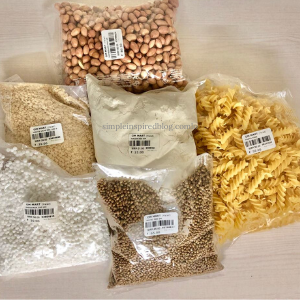
    Grains, legumes, pulses, and sugar are better purchased from loose sections of your grocery store to tailor the package size to your needs.

    This will guarantee everything is purchased in appropriate quantities and no excess amount gets wasted.

    Stockpile:

    Building a pantry is essential if you’re serious about saving money, and want to stop wasting time making frequent trips to the grocery store.

    A further reason to have a well-stocked pantry is that you’ll have sufficient food available that can get through any good or bad situations like surprise guests, overdue paychecks, unanticipated cyclones, or topical as the pandemic.

    I have a complete list of must-have pantry staples everyone needs to have on hand. Check out my list of 74 Frugal Foods To Build Your Pantry On A Budget.

    Buy in bulk — but other goods, not food:

    Our grocery bill includes other household supplies besides food items. This lists —  homecare needs, personal care products, pet supplies, and like items.

    Rather than buying food products in bulk, a volume purchase of non-perishables would be of more value. They have a longer shelf-life and are easier to store.

    In the case of food items, buying only the quantity that will actually get used is advisable. And should be used up within its date of expiration.

    Create a list and stick to it:

    The first step before you grocery shop is to plan your meals and create a good list of ingredients you need, to avoid making last-minute trips to the grocery store.

    Shopping with a list is a proven technique to restrain impulse buying.

    Check out my article How To Meal Plan In 3 Easy Steps to plan your meals and make a shopping list the easiest way.

    Take an inventory before creating a list:

    Take a look at your freezer, fridge, and pantry to check the items needed and overcome unnecessary purchases.

    Avoid purchasing frozen meals:

    Instead of buying frozen meals how about cooking a bunch of items, 2-3 days per week, and freezing the leftovers for the rest of the days?

    Soups, stews, sandwiches, burritos, enchiladas, and slow cooker recipes are great choices for freezer meals.

    Avoid precut veggies & fruits:

    I cannot endure precut fruits and vegetables for the unsanitary feel together with the pricing.

    I better wash them and cut them myself and save some extra bucks.

    Make use of leftovers:

    Leftover food, done right, can be great meals.

    You can create a whole meal out of leftover rice, curried, fried, baked, or even steamed vegetables.

    Cut down on food waste:

    New to cooking? — Cook smaller quantities.

    Trying a new recipe and not sure? — Attempt only 1 to 2 servings.

    Got big-size broccoli? — chop and put into a Ziploc bag to portion it out.

    Store the shopped food properly:

    This is the crucial step of all. The food, especially the produce, you’ve brought for your week’s meals should last you through the week.

    Learning and ensuring everything is stored as per their storage conditions will make it worth every penny and effort.

    Use surplus groceries at the end of the month:

    Use up the scraps of veggies, noodles, and bread (croutons) to make stews, soups, or casseroles topped with cheese; consume everything that you have bought with your hard-earned money.

    Take note of servings per day:

    Be considerate of the serving size — you’ve bought something in bulk doesn’t mean it should be consumed in bulk 😀 – remember those are your MONTHLY groceries.

    Watch out for your shopping hours:

    Be careful of the time you pick to shop. Avoid shopping during peak hours. Generally, dinner time/after-office hours are when the stores are super-crowded. I prefer the time between 2-4 p.m. for being the no-rush hours.

    Since there’s no crowd – you can take your time to compare the prices, find good deals, read labels, and check out the generic (non-specific) alternates.

    Buy in-store brands:

    The stores’ in-house brands, usually offer lower prices compared to big-name brands. I use them and cannot distinguish the quality between the two.

    Find a good local store:

    Compare prices at your local grocery stores. Look for stores or supermarkets that would provide cheaper prices/sales. And one which is located near your home.

    18 Smart Ways To Cut Your Grocery Bill In Half

    Shop once a month:

    If possible plan the grocery store trip once a month. Then a quick produce purchase once a fortnight.

    Other times just stay out of the stores.

    Often, you go to the store for small things and get home so much more.

    If daily fresh items like bread, milk, etc make you stop at the grocery store – have them delivered to your place.

    Ask for deals:

    When you find a good grocery store in your area, ask for deals for being their regular buyer.

    Inquire if they provide coupons, discounts, or free products, which they should; particularly when you’re paying a large sum every month.

    And, if they don’t, it’s time to look for a good grocery store.

    Final words:

    Remember food is nothing else but your money. Wasting a lot of food means putting your hard-earned money down the drain.

    Next time on your grocery trip, don’t forget to try these smart tips. I’m sure they’ll help you cut your grocery bill in half.

    Let me know your thoughts in the comments section below. Thank you so much for reading. Happy Shopping!

  • 6 Tips To Build A Frugal Pantry

    6 Tips To Build A Frugal Pantry

    Meal planning, grocery shopping, building a frugal pantry, prepping, and cooking food always has been part of most households. We have been good at it for ages.

    Uncommon of today’s advanced facilities, our grandmas did it all by mentally reviewing and memorizing what to cook for the next day. And prepping up for the same.

    6 Tips To Build A Frugal Pantry

    In those days, people had so fewer food choices at their disposal that they remembered what items were they running short of, what needed to be repurchased, and what they had enough, by heart.

    Hence, list-making was done by making a mental note.

    Today, with a vast array of food selections, we need to be intentional with our food choices specifically when living on a small budget.

    To stay within our budget we need to take up some old-school systems.
    Today we’re going to see how to stock your pantry right on a tiny budget.

    Make a list:

    First, list out all the frequently-made meals at your place. Include breakfast, snacks, dinner, and lunch box recipes.
    Make a list of the staples required for these recipes. Your list should cover everything from base ingredients to spices and condiments to oil/butter.
    This list of ingredients, well-stocked, will make sure you have enough of what is required to conveniently cook your favorite meals at home. 
     

    Buy generic food variants:

    Most of the time, we believe that — higher price means better quality. Perhaps it’s a delusion.
    The higher price involves the cost of quirky packaging.
    Along with cutting-edge techniques — the food is being processed. Which, in fact, can hamper the quality of food.
    Rather, opt to buy more fresh, raw, unprocessed versions of the staples.
     

    6 Tips To Build A Frugal Pantry
    Just a real-life example. Nothing fancy here.

    Shop at Farmer’s Market:

    You could have to commute a little farther than your regular grocery store. But a couple of trips, monthly, can save a good amount of money on your grocery budget.
    The perks of this? You get freshly grown healthy produce.

    Stock up on a sale:

    Keeping an eye out for sales at the grocery stores near you can be great for stocking up on staples at lower prices.
    Be sure to buy in bulk when you get great deals on the items that are majorly used in your home.
    (Quick Tip: Always check the ‘use before’ date before putting an item into the cart. This is necessary when buying food in large quantities. What I have noticed is, that the stores keep older items on the front of the shelves and fresher ones at the back. So, don’t hesitate to dig deeper for your purchase to be cost-effective)

    Grow your own food:

    If you’re fortunate enough to be able to grow your own food, nothing like it.

    People staying in apartments can also make a small attempt to grow herbs, sprouts, chilies, tomatoes, etc. if they’re willing to.

    Preserve the food right:

    Preserving food correctly is no less important.

    You don’t want your volume purchases to go bad faster especially when building a pantry on a tiny budget.

    Learning to store perishables correctly is vitally important.

    Final Words:

    Building a frugal pantry could be time-taking especially when you’re just starting out. So, keep following these steps by the month and you’ll soon have a well-stocked frugal pantry on a small budget.

    Don’t forget to like, share, and comment below to share your tips and tricks to build a frugal pantry! Thank you so much for reading. Happy Homemaking!

  • 70 Frugal Foods To Build Your Pantry On A Budget

    70 Frugal Foods To Build Your Pantry On A Budget

    The better solution to avoid eating unhealthy food is to stop bringing it home. Out of sight out of mind. When you have nutritious food in your pantry, you’ll eat healthy. Frugal foods are nutritious and easy on your wallet.

    Cooking at home gets easier with meal planning. And, meal planning becomes painless when there’s a list of ingredients to refer to.

    This list can benefit you in 4 ways:

    1. It’ll save hundreds of dollars on your groceries.
    2. It’ll enable you to build a frugal pantry.
    3. To refer to while making a grocery list.
    4. It can remind you of recipes your family loves while reviewing the list.

    74 Frugal Foods To Build Your Pantry On A Budget

    This list is my attempt to assist you in building a frugal pantry and make meal planning effortless.

    70 Frugal Foods To Build Your Pantry On A Budget

    Rice
    Flour
    Pasta
    Oats
    Cornmeal
    Dried Beans
    Chickpeas
    Peanuts
    Potatoes
    Sweet Potatoes
    Spinach
    Carrots
    Tomatoes
    Green beans
    Green peas
    Onions
    Garlic
    Ginger
    Lemons
    Sweet Corns
    Mushrooms
    Bananas
    Apples
    Seasonal Fruits
    Seasonal Vegetables
    Sugar
    Salt
    Herbs

    Green chilies
    Cilantro
    Pepper
    Onion Powder
    Garlic powder

    Oil
    Butter
    Milk
    Yogurt
    cheese
    Peanut Butter
    Fruit Jam

    Tomato Sauce/Puree

    Indian food List:

    Flattened rice (Poha)
    Semolina
    Sago (Sabudana)
    Vermicelli (Seviyaan)

    Beans:

    kidney beans
    black-eyed beans
    white-eyed beans
    black beans
    white beans
    white peas
    green peas

    Lentils:

    Split Green Gram (Moong Dal)
    Split Red Lentil (Masur Dal)
    Black gram (Urad Dal)
    Split Bengal Gram (Chana Dal)
    Split Red Gram (Tuvar Dal)

    Wheat flour
    Rice flour
    Maize flour
    Sorghum flour
    Ragi flour
    Besan

    Ghee

    Oil

    Puffed rice
    Fox nut

    Peanuts
    jaggery
    Dried Coconut
    Coconut
    Kokam
    Tamarind
    Spices (Khada masala, garam masala powder)

    Final Words:

    These are some core ingredients you need to nourish your family. Frugal meals are a sustainable way to put wholesome food on the table while staying within the budget. It is good for your family and the environment. 

    What would you like to add to the list? Share with us your frugal food suggestions in the comment section below. Thank you so much for reading. Happy Cooking!

  • How To Eat Healthy On A Budget

    How To Eat Healthy On A Budget

    The more processed food the bigger the price – is a simple logic to eating healthy on a budget. It’s a no-brainer that when you choose whole food items you’ll be eating healthy.
     
    One takeaway tip from this article is to buy more raw real food like fruits, veggies, eggs, and grains. And, less ready-to-eat or pre-packaged meals to eat healthily and keep your grocery bill low.
     
    Sounds complicated?
     
    Well, it isn’t!
    How To Eat Healthy On A Budget
     
    We all know, that we have to pay big money for comfort/luxurious goods and services which also include food. By buying convenience food, you aren’t paying for the quality of food but for the word “convenience” in the phrase.

    Thus, if you keep that convenience/comfort part aside, you can do a whole lot within a few bucks. That too, with minimal work.

    How?
    Working smarter, not harder is important here. By working smart, you can cut the cooking time in half and optimize your grocery budget. Importantly, you can feed your family fresh, nutritious meals.
     
    Today, we are going to explore some of the ways you can feed your family healthy on a budget:

    HOW TO EAT HEALTHY ON A BUDGET

     1) Plan meals ahead:

     
    Planning the menu ahead is the simplest way to save time and money, and largely, to keep you sane. I have this elaborate article on Meal Planning to make your job easier.
     

    2) Cook at home:

     
    Eating on a budget while eating out is still possible if you pick cheaper replacements. But to eat healthily, you’ve gotta cook at home. Here are some benefits and effortless ways to cook at home.
     

    3) Stock a pantry right:

     
    Consider stocking your pantry with whole food that works as a base for any dish. You need basic items to cook a meal: flour, rice, lentils, beans, potatoes, bananas, apples, eggs, oil/butter, milk, sugar, salt, and pepper. For more details, check out my list of 74 frugal foods to build your pantry on a budget.
     
    Foodstuffs such as rice, beans, or potatoes make the meal more filling. Apple, bananas, and milk make a complete breakfast too. Omelets, and banana smoothies, for instance.
    Thus, you’re eating healthier and better at a lower price.
     

    4) Pack work lunches:

     
    According to the article by makingsenseofcents.com bringing lunch to work can save a huge amount of money per year. Check out the article for some great tips.
     

    5) Drink coffee at home:

     
    Buying a good coffee maker is a one-time investment that can save big bucks at the end of each month. You will be saving well even after buying a high-quality coffee and creamer compared to cafe rates.
     

    6) Make your own spice mixes at home:

     
    Did you note how much the ground spices from the store cost? Almost the amount of 2 lbs of rice. Do make it at home and your dishes are going to taste – So. Much. Flavourful. It simply takes me a half-hour to toast and grind my own spices at home.
     How To Eat Healthy On A Budget

    7) Make your own sauces and salsas:

     
    Pre-prepared sauces are again something heavy on your grocery budget. I make them myself right before cooking.
     
    Sauces made using fresh ingredients are nutritious and taste better. They’re free of preservatives, added flavors, and colors. Plus, they cost so much less.
     

    8) Homemade curd:

     
    Try to make curd at home, if you use curd or buttermilk often. The traditional method is great for achieving thick, rich, and creamy consistency along with saving a decent amount of money. Let me know if you want tips on how to make curd at home.
    simple inspired blog
     

    9) Go Meatless:

     
    Vegetarian food is always better for you.
    Find out some yummy vegetarian alternatives to your favorite food.
     

    10) Make snacks at home:

     
    Fruits, apple slices with peanut butter, roasted peanuts/chickpeas, boiled corn, fried corn, cheese sandwiches, boiled eggs, potato wedges, potatoes/sweet potato fries – the options are endless. Just think or google or search YouTube for creative ideas to maximize what you already have.
     

    Final Words:

     
    So, there you go! It is easier to eat healthy on a budget than we think. We need to know that some efforts on our part are necessary to feed our family – with healthy meals and to administer our hard-earned money.
     
    Over to you. I would love to have your tips and tricks to feed the family on a budget. Let me know in the comments below. Thank you so much for reading.
  • How I Save Money On One Income (With No Kids)

    How I Save Money On One Income (With No Kids)

    There is no dignity quite so impressive, and no independence quite so important, as living within your means. – Calvin Coolidge

    Indians are frugal by nature. Right from childhood, we see our parents and other people around, being smart with money. Or should I say insightful about handling money? There are countless ways they try to save money wherever possible.

    We bargain at our best in every section.

    Women have their secret cash boxes in the kitchen. Kitchen? To keep it safe and out of reach of husband and children.

    Use tiny pouches to collect loose change which adds up to a specific amount after a few days.

    Figure out the best places to shop where we will get value for money.

    Strive to get some space in public transport because it is a cheaper alternative.

    Buy our monthly groceries in bulk.

    Make every possible attempt to save on utilities.

    These are some of the general money-saving ways followed in India.

    How I Save Money On One Income (With No Kids)

    But, every household is different, and therefore, their money management system also differs a little bit if not much.

    I love to stay home to look after my husband more than work outside. Many times, shouldering the responsibility for homemaking is as important as earning money. This divided sense of responsibility allows us to focus and concentrate on our work respectively. And, creates harmony in the relationship.

    Even after belonging to a frugal family, there was a time, I was poor at managing money.

    One time, I stumbled across the quote, “Penny saved is a penny earned”. It was so impactful that it entirely moved my focus from earning to saving. I looked for areas where I could eliminate as many expenses as I could; I observed that household and lifestyle changes were the better areas to start with.How I Save Money On One Income (With No Kids)

    I started slowly and steadily. And now, with little effort and mindfulness, I save a particular amount of money at the end of each month. I consider this amount of money as “My Earnings”. And, because of this outlook, I strive to save as much as I can to increase my monthly earnings. I regard this as a little assistance on my part to support my husband’s hard work.

    Here are a few ways I save money on income:

    HOW I SAVE MONEY ON ONE INCOME (With No Kids)

    1. One car and small house:

    We are a family of two – my husband and I. We do not have kids. I work from home. So, there’s no point in having an extra car.

    As for the home, we don’t need a big one. We both prefer to live within our means. And, don’t believe in going into debt for a big house. We’re living a debt-free=content life in our small house.

    Also, a small house has the advantages of less electricity, less water consumption, and hence lower utility bills.

    2. Meal Planning and cooking at home:

    Cooking at home saves roughly about 30-40% of the monthly expenses. Planning the meals ahead and making a grocery list helps avoid impulse buying.

    Meal planning helps to prevent frequent trips to the grocery store thus saving on travel expenses.How I Save Money On One Income (With No Kids)

    Read 6 Reasons You Should Start Cooking From Scratch Today

    3. I avoid buying too many cleaning products:

    Do you really need so many expensive products if you clean your house regularly? I mean one for floors, one for the bathroom, and the other for the toilet? The answer is NO. The basic cleaning products do a great job of keeping the house clean.

    The products that I use are – dishwashing liquid+baking soda+white vinegar. These three primary products are adequate to clean pretty much anything in the house.

    Read: 5 Super Simple Ways To Make Dishwashing Fun

    4. We don’t spend on gym membership:

    My husband loves brisk walking in the open (outside) for 30 minutes 5 times a week. Yes, I agree, walking does not count as a workout. It is just a physical activity. But that’s the only form of exercise he loves. And, my attitude towards exercising is – something is better than nothing.

    I love to do yoga in the comfort of my home. This saves us almost $43 (Rs 3,000/-) on a monthly gym membership.

    5. I do not buy home decor items:

    Since I have a small house I try to keep the decor items to a minimum. A clutter-free home is more beautiful than an accessorized one for me. This saves a lot of cleaning time as well.

    Read: 11 Inexpensive Ways To Beautify Your Home

    6. I do not hire a cooking or cleaning maid:

    It’s easier to hire a cleaning and cooking maid in India. But I prefer to do all the housework and cooking on my own. I am a little OCD about cleaning. And, cannot entrust the most important tasks of my household (Cleaning and cooking) to anyone.

    This helps me save not less than $114 (Rs 8,000/-) a month. A pretty good amount, right?

    7. DIY hair and beauty treatments:

    I go to salons for facial threading and to get my hair trimmed only. And, do the rest by myself at home. I scrub my face once in 10 days. Apply a homemade mask when I need some hair treatment.

    Take care of my nails, toes, and feet while in the shower. I paint my nails at home.

    The average cost of the package that includes (facial+waxing+manicure+pedicure) is somewhere around $30 (Rs2,100/-) in Mumbai. I save that much amount with these quick and easy DIY treatments.

    Related Topics:

    8. With a minimalist approach:

    Minimalism has brought a drastic change in our financial habits. The journey of being a spendthrift to a saver was life-changing. All thanks to minimalism.

    I have become the best version of myself in the purchase category. The minimalist coach within me makes the decision if it’s a need or want; whether to buy the item or not.

    9. By shopping in sales:

    Yes, we buy in bulk our clothes as well. We take advantage of the end-of-the-season sale, which happens to be 2 or 3 times per year, in India.

    During the sales, we buy everything from shoes to accessories to handbags, every single thing. In between, we avoid going to malls to avoid impulse purchases.

    10. By canceling cable subscription:

    From the time I started blogging, we’ve canceled our cable subscription. Since I hardly get any time to watch Television. Rather I don’t WANT to.

    And, with the option of having so much entertainment available on the internet, cable was a sheer waste of money.

    Final Words:

    These are some of the areas I save comfortably without affecting our standard of living in any way. Yes, we do spend on eat-outs and date nights, but we limit it to once a week.

    I don’t believe in going out of the way to spend or being a cheapskate either. And, firmly believe in maintaining a balance in order to persist.

    So, we have fun when we need a break from the daily rut while also being sensible about our spending.

    Over to you. I would love to have your suggestions. In what other ways do you think can I save more money living on one income? Thanks so much for reading. Happy Saving!

    Pin for laterHow I Save Money On One Income (With No Kids)

error: Content is protected !!